
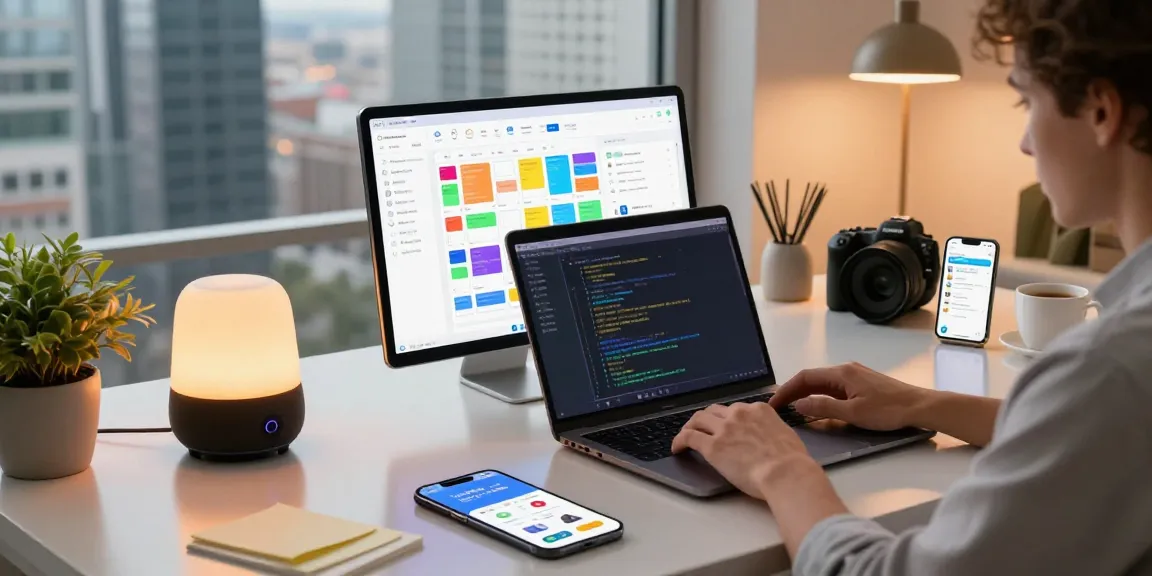
Understanding AI Assistants
As we delve into the world of technology, one of the most groundbreaking innovations in recent years is the advent of AI assistants. These digital companions have evolved significantly, transforming how we manage tasks, organize our schedules, and even communicate with one another. Today’s AI assistants are designed to integrate seamlessly with our daily lives, enhancing productivity and enabling smarter decision-making across various sectors. When exploring options, AI assistant platforms provide comprehensive insights into this revolution.
What is an AI Assistant?
An AI assistant is a software application that uses artificial intelligence to perform tasks and provide assistance to users. These tasks can range from managing calendars and setting reminders to answering queries and controlling smart home devices. AI assistants leverage natural language processing (NLP) to understand and respond to human commands, making them invaluable in both personal and professional settings.
The Evolution of AI Assistants
The concept of AI assistants originated in the early days of computing, with simple programs designed to automate repetitive tasks. Over the decades, as AI technology advanced through machine learning and deep learning techniques, these assistants have become more sophisticated. Today, notable AI assistants like Google Assistant, Siri, and Alexa not only perform simple tasks but also engage in complex conversations, learn from user interactions, and adapt to individual preferences.
Key Features of AI Assistants
- Voice Recognition: Most AI assistants can accurately recognize and process voice commands, allowing hands-free interaction.
- Integration with Applications: AI assistants can connect with various apps and services, making them versatile in handling tasks across different platforms.
- Contextual Understanding: Modern AI assistants have improved contextual awareness, enabling them to provide relevant responses based on previous interactions.
- Personalization: They learn from user habits over time, allowing for a more personalized experience tailored to individual preferences.
How AI Assistants Enhance Workplace Productivity
Integrating AI assistants into the workplace has shown promise in enhancing overall productivity. These digital tools can manage administrative tasks, allowing employees to focus on more strategic and creative endeavors. By automating routine processes, AI assistants save time and reduce the likelihood of human error, ultimately leading to more efficient workflows.
Integrating AI Assistants into Daily Tasks
One of the primary benefits of AI assistants is their ability to integrate with daily tasks effortlessly. For instance, they can schedule meetings, set reminders, and even assist in drafting emails, thus streamlining communication within organizations. The result is a more organized environment where employees can concentrate on their core responsibilities without getting bogged down by minor tasks.
AI Assistants and Time Management
Effective time management is crucial in the bustling workplace, and AI assistants excel in this regard. By prioritizing tasks, organizing schedules, and sending timely reminders, these assistants help employees stay on track. Moreover, they can analyze time spent on various activities, providing insights that facilitate better planning and resource allocation.
Case Studies: Businesses Leveraging AI
Many organizations have reported substantial gains in productivity after incorporating AI assistants. For example, a tech startup utilized an AI assistant to manage customer inquiries and support tickets, significantly reducing response times and improving customer satisfaction. Similarly, a marketing team that implemented a virtual assistant for scheduling and project management witnessed a 30% increase in their output.
The Best AI Assistant Apps of 2026
As AI technology continues to advance, various applications have emerged as frontrunners in the market. In 2026, the best AI assistant apps are expected to offer a combination of efficiency, adaptability, and advanced features that cater to user needs.
Top Features to Look For
- Customization: Look for AI assistants that allow users to customize their interactions and preferences.
- Multi-language Support: As businesses expand globally, the ability to communicate in various languages is essential.
- Real-time Collaboration: Effective AI assistants should facilitate real-time collaboration among team members, streamlining communication.
Comparison of Leading AI Assistant Options
Some of the leading AI assistants in 2026 include:
- ChatGPT: Known for its conversational abilities, ideal for customer service applications.
- Google Assistant: Offers seamless integration with Google services and smart home devices.
- Microsoft Cortana: Focused on organizational tasks and project management.
- Aleph: A rising star in AI, designed for specific business applications with strong analytics capabilities.
Expert Recommendations
Experts recommend evaluating AI assistants based on their specific features and how they align with business goals. For instance, companies prioritizing customer engagement may favor ChatGPT, while organizations focusing on productivity might find more value in Microsoft Cortana.
Challenges and Limitations of AI Assistants
Despite their numerous benefits, AI assistants do come with challenges. Understanding these limitations is crucial for organizations considering their use in professional settings.
Common Misconceptions About AI
One common misconception is that AI assistants can entirely replace human roles. While they can automate many tasks, their effectiveness is often maximized when they complement human skills rather than replace them. AI technology still requires human oversight to ensure ethical and appropriate usage.
Privacy and Security Considerations
With the rise of AI assistants, privacy and security concerns have also escalated. Users often worry about data security and how their information is utilized. It’s essential for organizations to implement secure protocols and transparent privacy policies when integrating AI assistants into their operations.
How to Overcome AI Assistant Limitations
Organizations can mitigate the limitations of AI assistants by providing training to employees on how to use these tools effectively. Additionally, setting clear expectations and boundaries around AI usage can help maximize their potential while addressing any concerns regarding privacy or workload distribution.
The Future of AI Assistants in Business
The trajectory for AI assistants in business settings looks promising, with advancements in technology paving the way for even more sophisticated functionalities. By 2026 and beyond, businesses can expect AI assistants to become more integral to their operations.
Trends to Watch in 2026 and Beyond
- Increased Personalization: AI assistants will likely become even more attuned to individual user preferences, enhancing their effectiveness.
- Integration with IoT: As the Internet of Things (IoT) expands, AI assistants will play a crucial role in managing interconnected devices.
- Enhanced Data Analytics: The ability of AI assistants to analyze large sets of data will improve, providing organizations with actionable insights.
Integrating AI with Other Technologies
The future will also see AI assistants integrated with other emerging technologies, such as augmented reality (AR) and virtual reality (VR). This integration can create immersive experiences, revolutionizing how businesses engage with both employees and customers.
Expert Insights on AI Innovations
Industry experts anticipate that as AI technology evolves, we will see the creation of more specialized AI assistants tailored for specific industries, enhancing their effectiveness and user satisfaction.
What is an AI assistant?
An AI assistant is a software designed to assist users by performing tasks and providing information based on user commands. The technology behind these assistants has rapidly evolved, making them essential in various domains.
How can AI assistants increase productivity?
AI assistants streamline workflows by automating repetitive tasks, allowing employees to focus on higher-value activities. Their capabilities in managing schedules, reminders, and data makes them indispensable tools in the modern workplace.
What are the most popular AI assistants for businesses?
Some of the most popular AI assistants for businesses include ChatGPT, Google Assistant, and Microsoft Cortana, each offering unique functionalities tailored to enhance productivity and efficiency.
Are AI assistants secure to use?
While AI assistants can offer considerable benefits, security is a concern. Users and organizations must implement robust security measures and ensure that privacy policies are transparent and adhered to.
What trends should we expect in AI technology?
Future trends in AI technology include increased personalization, heightened integration with IoT devices, and more advanced data analytics capabilities that enable organizations to make informed decisions.