Understanding the Appeal of Kids Kitchens
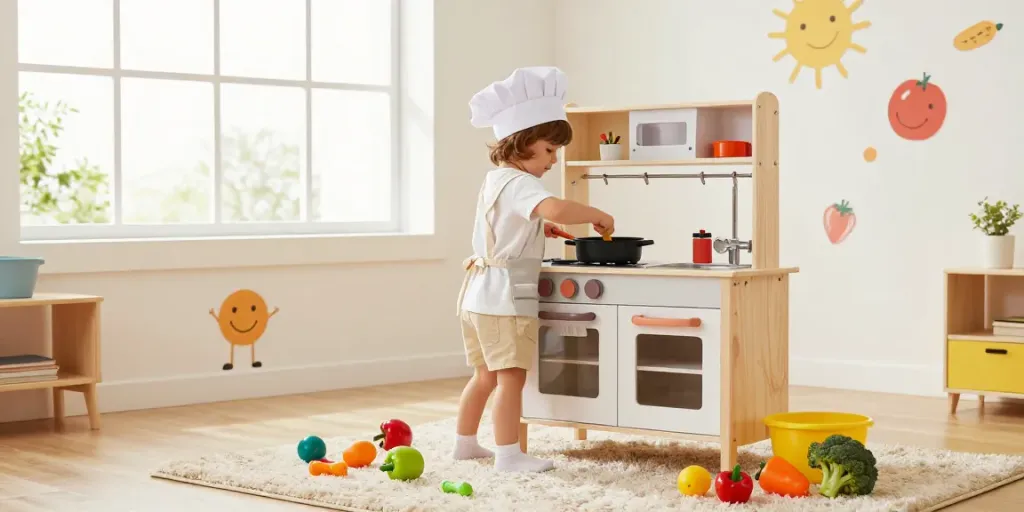
Play kitchens have captivated the hearts and imaginations of children for generations. These miniature culinary havens not only provide endless hours of entertainment but also serve as a crucial development tool. They allow children to immerse themselves in role-play scenarios that mirror adult tasks, fostering a sense of independence and creativity. When exploring options, kids kitchen sets come in various designs and sizes, catering to the diverse preferences of young chefs.
Why Every Child Loves Play Kitchens
The allure of play kitchens lies in their ability to mimic real-life cooking experiences. Children are naturally curious, and these sets encourage them to explore the world of culinary arts. By engaging in pretend cooking, kids can experiment with different ingredients and recipes—often with highly amusing results. This form of play taps into their imagination, allowing them to create their own narratives and scenarios as they invite friends over for a make-believe dinner party or whip up a feast for their dolls.
The Educational Benefits of Pretend Play
Beyond mere entertainment, play kitchens are instrumental in fostering critical life skills. Research indicates that pretend play enhances cognitive development, as children learn to problem-solve and think creatively. When interacting with a play kitchen, kids can grasp essential concepts such as measurement, timing, and the transformation of ingredients through cooking. Moreover, these activities promote vocabulary expansion, as children learn new words related to cooking and food, enriching their language skills in a fun context.
How Kids Kitchens Foster Creativity and Imagination
Kids kitchens serve as a blank canvas for imagination. The ability to combine colourful accessories, play food, and utensils allows children to decorate their culinary spaces and create unique dishes that reflect their individual tastes. This creative freedom supports not only artistic expression but also the development of fine motor skills as they handle small items and navigate the complexities of assembling their creations. The process of cooking—albeit imaginary—teaches patience, as children must wait for their "dishes" to "cook," fostering a sense of accomplishment once they have completed their "meals."
Choosing the Right Kids Kitchen for Your Home
Selecting the ideal play kitchen involves considering several factors to ensure it enriches your child's play experience while fitting seamlessly into your home. Parents should note the features, size, and materials to find the best match for their young chefs.
Key Features to Look For in Kids Kitchen Sets
Today's play kitchens often come equipped with various features that can enhance the play experience. Look for sets that include:
- Realistic appliances like ovens, microwaves, and refrigerators
- Interactive elements, such as lights and sounds, to engage kids further
- Storage space for toys and accessories to encourage organisation
- Durable countertops that withstand the rigours of playtime
- Accessories like pots, pans, and pretend food to promote imaginative play
Assessing Age Appropriateness and Size
When selecting a kids kitchen, it is crucial to consider the child's age and the play space available. Most play kitchens cater to toddlers and preschoolers aged 2 to 6, so ensure the height and sturdiness are suitable for your child. Additionally, if space is limited, opt for compact designs that can easily fit in smaller living areas without compromising play quality.
Material Considerations: Wood vs. Plastic
Another significant factor is the material used in the play kitchen's construction. Wooden kitchens are often more durable and aesthetically pleasing, lending a more authentic feel to the play experience. However, they may come at a higher price point. On the other hand, plastic kitchens are typically more affordable, easier to clean, and lightweight, which makes them a convenient choice for transporting or moving. Ultimately, the decision should reflect your preferences for durability, cost, and your child’s playful habits.
Incorporating Kids Kitchens into Learning Activities
Integrating a kids kitchen into everyday learning can enhance both playtime and educational experiences. With a bit of creativity, parents and caregivers can turn pretend cooking into valuable teaching moments.
Ideas for Cooking-themed Learning Games
Here are a few engaging activities that combine fun and learning:
- Recipe Creation: Challenge your child to create their own recipe using play food items, encouraging them to think critically about ingredients and proportions.
- Numerical Cooking: Incorporate counting and basic math skills by asking your child to count the number of pretend apples they need for a recipe or how many servings they can create.
- Cooking Show: Let your child host their own cooking show, explaining the steps they take in preparing a meal. This activity enhances verbal communication and storytelling skills.
Integrating Healthy Eating Lessons
With the prevalence of junk food and unhealthy eating habits among children, using a kitchen set to teach about nutrition can be impactful. Discussing healthy ingredients while play-cooking helps children understand the importance of balanced meals. You could use play food to compare healthy versus unhealthy options, reinforcing the benefits of making nutritious choices.
Promoting Social Skills Through Cooperative Play
Kids kitchens also serve as an excellent platform for cooperative play, which is an essential aspect of social development. Encourage your child to play with friends or siblings, assigning roles such as chef, waiter, or customer. This interaction fosters teamwork, negotiation skills, and empathy, as children learn to share, take turns, and understand each other’s perspectives while engaging in group play.
Safety Tips for Kids Kitchen Play
Safety is paramount when it comes to children’s play. Ensuring a safe environment while they enjoy their play kitchens will give parents peace of mind.
Choosing Non-toxic and Durable Materials
When purchasing a kids kitchen, opt for products that use non-toxic, child-safe materials. Look for certifications that indicate the toys meet safety standards. Additionally, ensuring durability will prevent the need for frequent replacement, making the investment more worthwhile for long-term usage.
Setting Safe Play Areas and Guidelines
Create a designated play area for the kitchen, where the child can engage in cooking simulations safely. Establish guidelines about which items are suitable for play and ensure that heavier objects are stored safely. Supervision is essential, especially for younger children, to mitigate any accidents that could arise during play.
Monitoring Playtime to Prevent Accidents
Lastly, it is important to monitor playtime, as children can sometimes become overly enthusiastic and may engage in unsafe behaviours. Regularly check the play kitchen for any loose parts or wear and tear, ensuring it remains a safe space for imaginative play.
Future Trends in Kids Kitchen Sets
The landscape of children's toys, including play kitchens, is continually evolving. As we approach 2026, several trends are beginning to shape the future of kids kitchens.
Interactive and Tech-Enhanced Kitchen Experiences
As technology continues to advance, it is likely that more play kitchens will incorporate interactive and tech features. This may include touchscreens that provide recipe guides or even augmented reality experiences that allow children to see their imaginative cooking come to life in a digital world. These innovations aim to blend entertaining play with educational outcomes even further.
Sustainable Practices in Toy Manufacturing
With increasing awareness of environmental issues, sustainable manufacturing practices are becoming a hallmark of quality toys. Expect to see more play kitchens made from recycled materials or sourced wood from sustainable forests. Parents will appreciate the dual benefit of providing their children with fun while also being environmentally conscious.
Predictions for Kids Kitchen Innovations in 2026
Looking forward, innovations in kids kitchens may include modular designs that allow children to customise their kitchen layout. This will not only enhance creativity but also support problem-solving skills as children figure out the best configurations for their play kitchens. Furthermore, there may be a rise in themed kitchens reflecting popular children's shows, providing an additional layer of engagement for young fans.
What is the best kitchen for kids?
The best kitchen for kids will vary based on individual preferences and needs, but generally, it should be age-appropriate, durable, and equipped with realistic features to enhance imaginative play.
How much does a kitchen set for kids cost?
The cost of kids kitchen sets can range widely from about £50 for simpler models to over £300 for elaborate wooden sets with multiple accessories, reflecting their size and complexity.
Where can you buy kids kitchens?
Kids kitchen sets can be found in a variety of stores, both online and in physical retailers, including toy shops, department stores, and specialised websites offering a diverse range of options to suit every budget.
Are kids kitchens suitable for outdoor play?
Some play kitchens are designed for outdoor use, often made from weather-resistant materials to endure the elements. Ensuring the kitchen is suitable for outdoor settings can provide added versatility for playtime.
What accessories enhance the kids kitchen experience?
Accessories such as play food, utensils, pots, and pans can significantly enhance the kitchen experience, allowing children to engage in more realistic and diverse cooking scenarios.